Industry-leading Performance
PacketController represents the new generation of bandwidth management in policy enforcement. It provides all the features you need to control the amount of bandwidth with ultra-low latency performance.
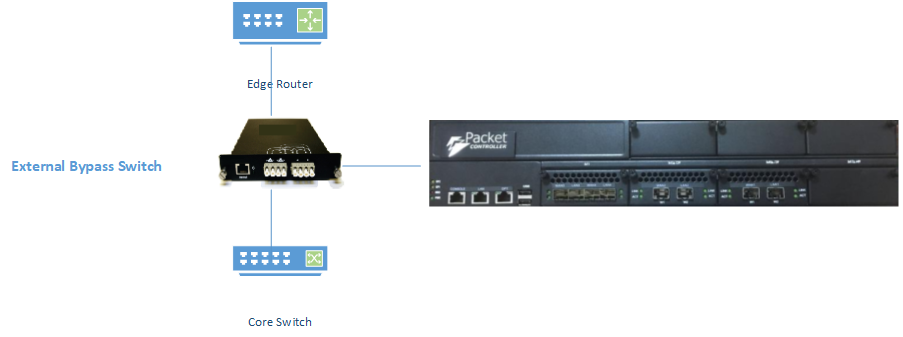
The PacketController operates as a Layer 2 switch (transparent mode) or a Layer 3 gateway (route mode). In either of the deployment modes, the PacketController device has a dedicated Ethernet management interface, different from the Ethernet data interfaces. You can assign an IPv4 address and/or an IPv6 address to the management interface.
PacketController deployed as L3 gateway between Edge Router and Core Switch, one typical installation is to use dynamic routing protocols to redistribute the NAT pool. OSPF is used between the aggregation router and the PacketController device; BGP is configured between the BGP peering router and the PacketController device. The BGP peering router injects a default route towards the PacketController device and the PacketController device injects the configured NAT pool subnets.
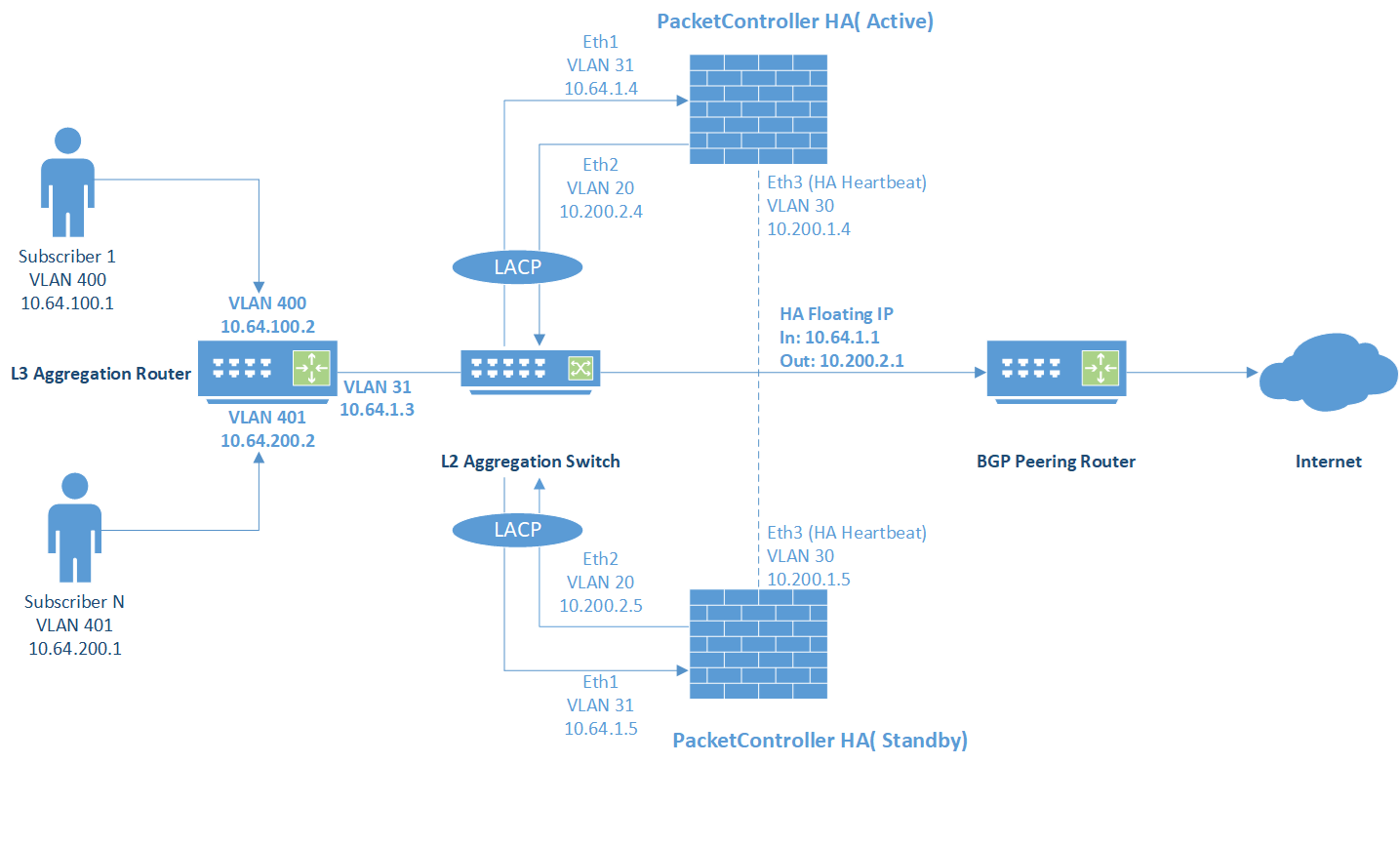
It is pretty standard L2 switch transparent deployment; You can set up bridge on single Ethernet ports or a trunk which is a set of multiple ports configured as a single logical link.
PacketController supports built-in failover (Gigabit Networks) and external failover with bypass switch (10G/40G/100G/400G networks).
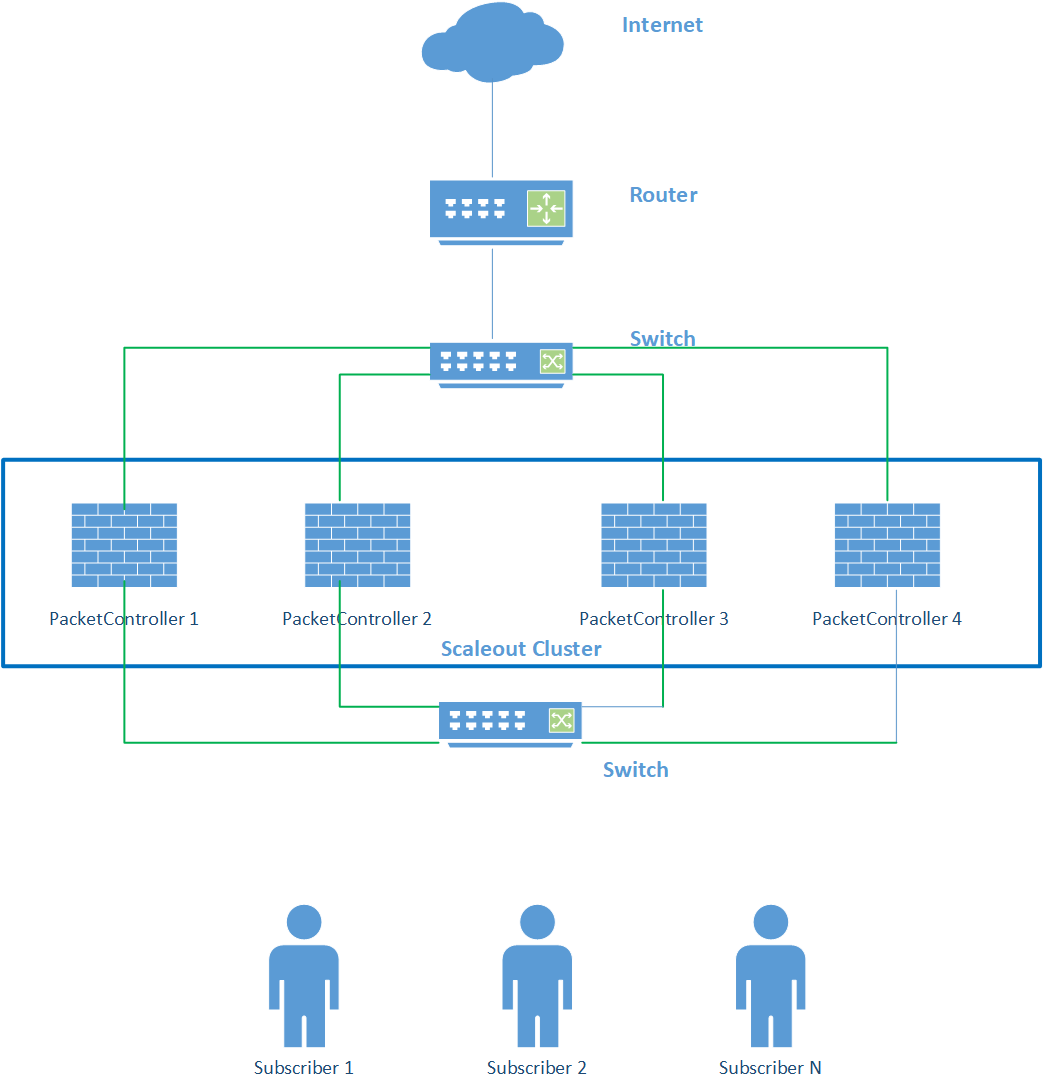
PacketController supports N+M Clustering and Scaleout deployment.
PacketController supports VRRP N+M high availability configuration, arbitrary N+M deployment supported where N is the number of active devices, and M is the number of standby devices. It simplifies the configuration of multi-system redundancy and allows up to eight PacketController AP devices to serve as mutual backups. Both active-standby and active-active mode supported.
Scaleout is a solution where multiple PacketController AP devices form a cluster to provide the same set of services as a single infrastructure. The Scaleout technology enables QoS/CGN services to be provided across multiple devices for load distribution and better scalability. The services provided by one or more NAT pools can be spanned across multiple devices that form a Scaleout cluster. Scaleout supports dynamically adding or removing devices to the cluster. When the number of devices in the cluster changes, the traffic gets rebalanced automatically.
By using the Radius attributes of accounting message form external Radius server, AP series supports identity-aware traffic shaping and it automatically maps user identity to its currently assigned IP address (either IPv4 or IPv6 or both).
Protect subscribers and shield mobile core infrastructure from cyberattacks at the Gi/SGi and RAN to ensure uninterrupted operations. Consolidating security functions and CGNAT helps efficient operation and enables optimized performance.
PacketController provides simple yet powerful subscriber management to enable service providers to manage subscribers effectively and profitably.
Subscriber
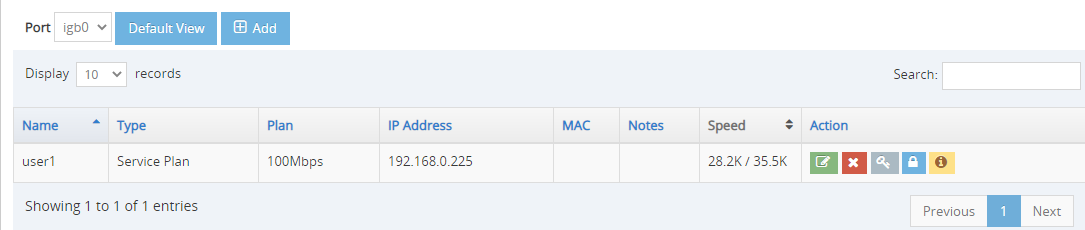
Quotas
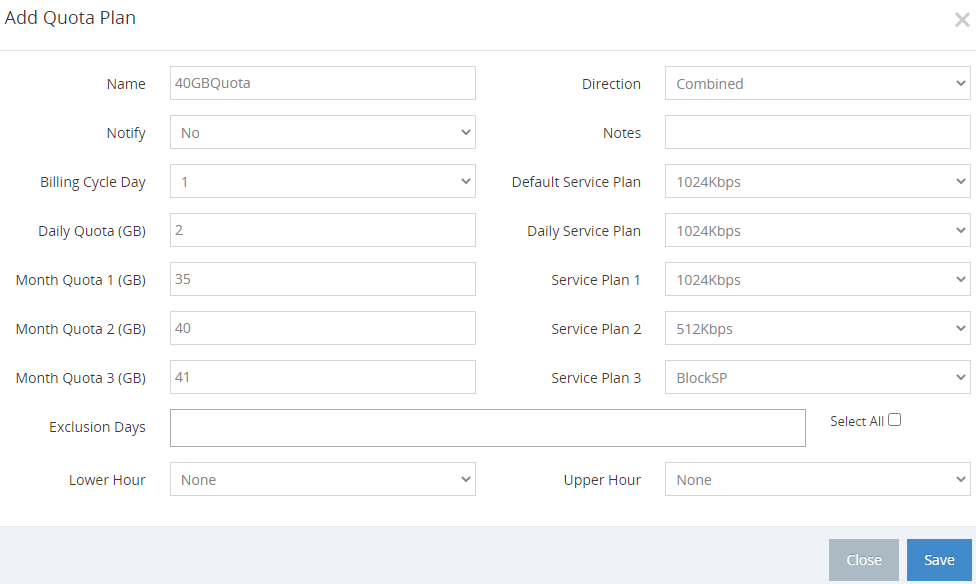
Limit Policy
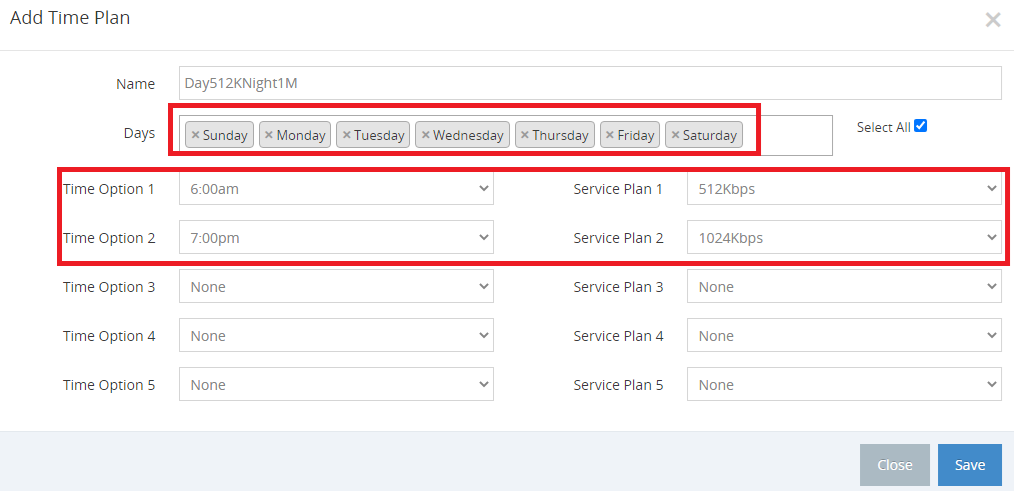
Time Plan
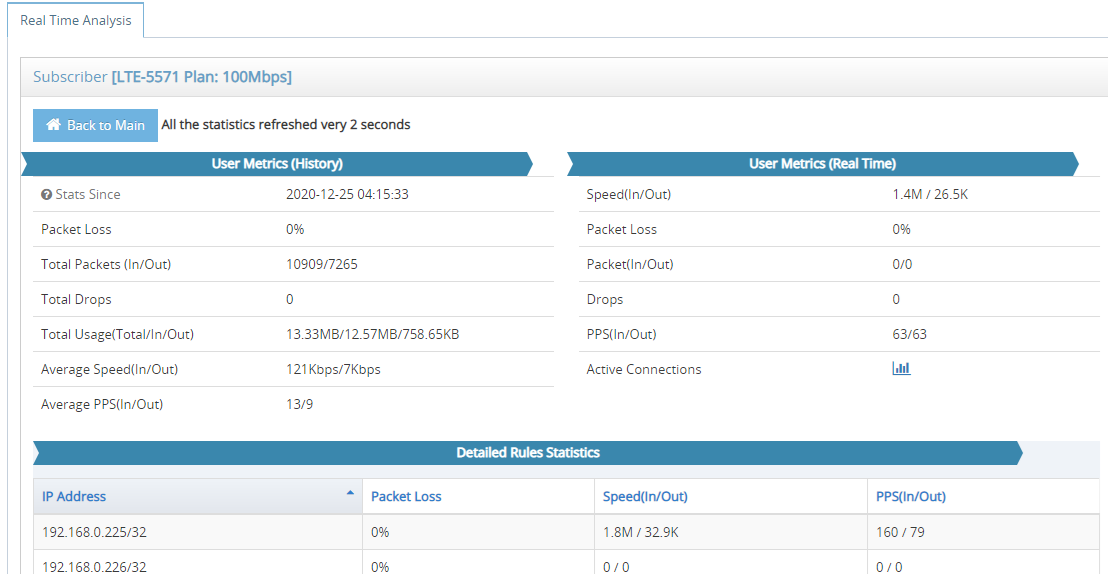
Subscriber Insight
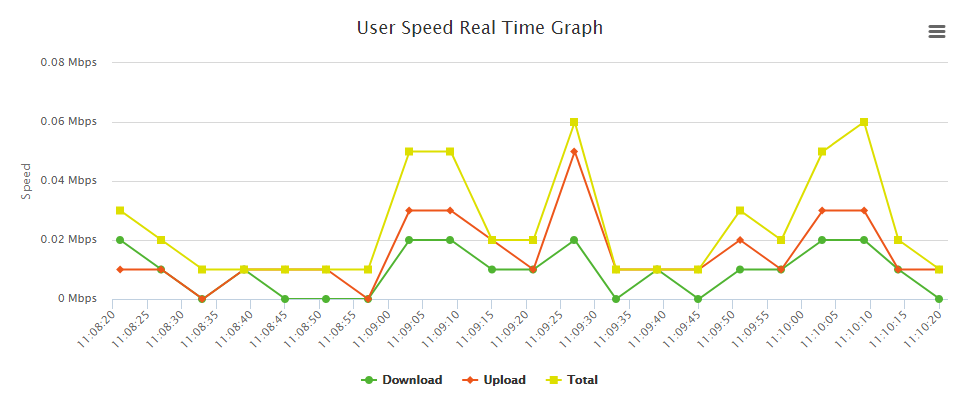
Subscriber analysis provides proactive subscriber quality monitoring, and it can enable helpdesk people quickly and efficiently diagnose and solve subscriber network issues.
Visibility
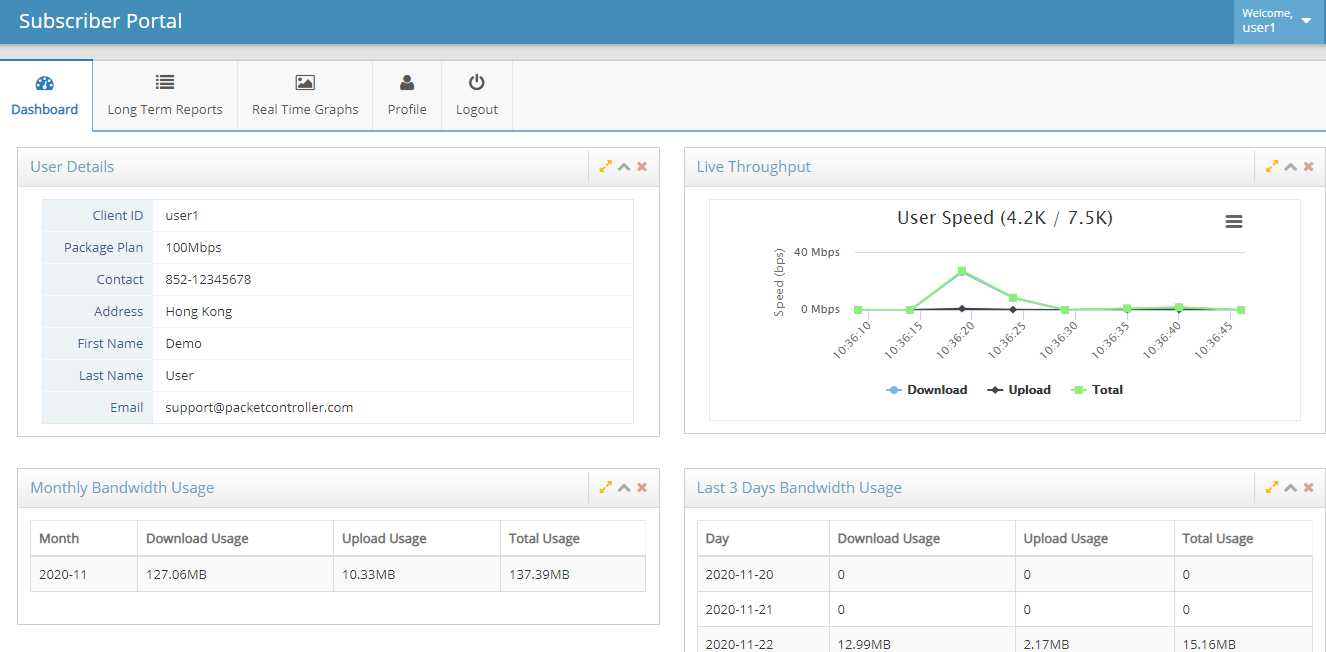
Subscriber Self-Help Portal
API/Billing/Radius/Misc
Subscriber Management Reports